
Flooring Service
Warehouse Flooring Contractors in Houston, TX
Forklift-ready warehouse floors with the durability and striping to keep work flowing.
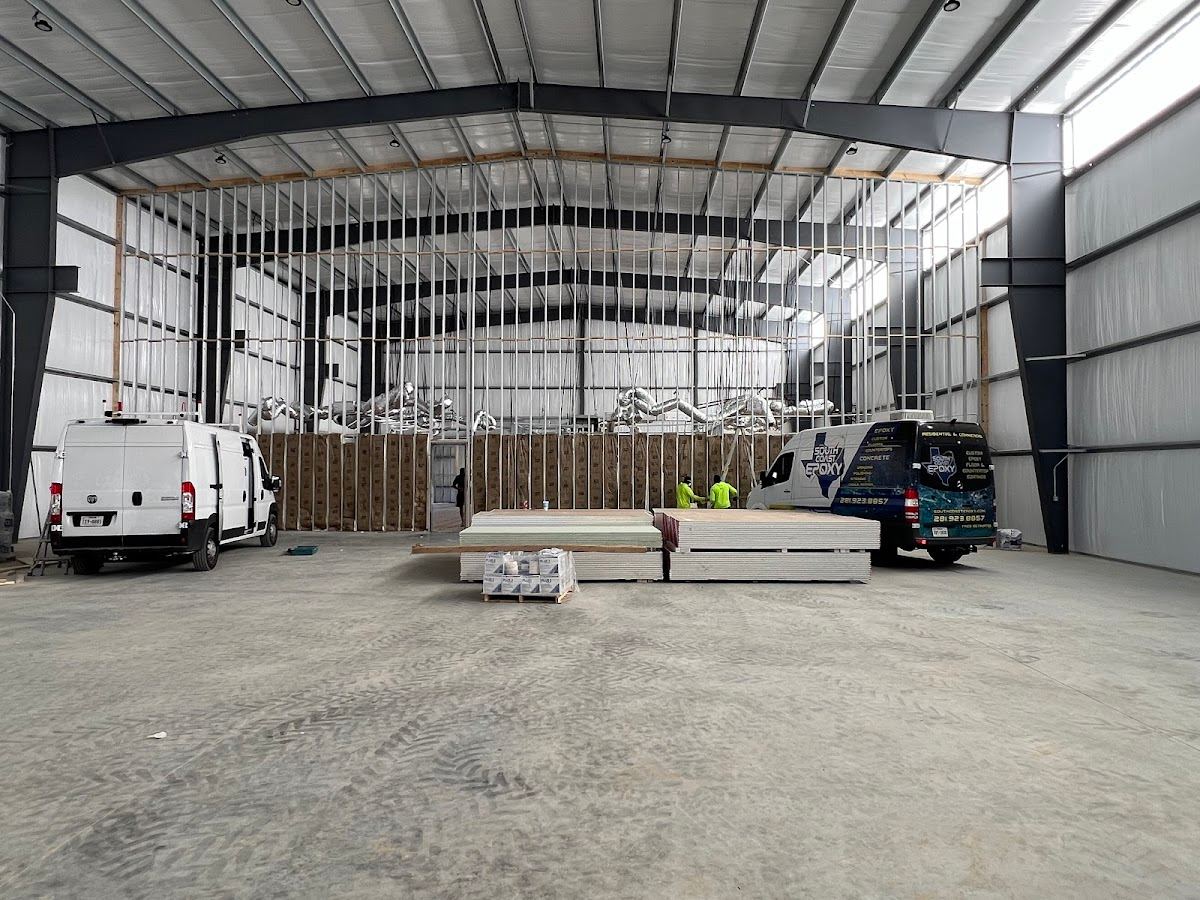
Warehouse floors take constant forklift traffic, pallet loads and washdowns — and need to stay safe and clean. South Coast Epoxy coats warehouse and distribution floors across Houston and Texas with durable epoxy systems and safety striping. Andrew has handled large surfaces and stages the work so your operation keeps moving.
How it works
Warehouse floors use high-build epoxy (sometimes quartz-reinforced) on an aggressively profiled slab to handle forklift point loads and abrasion. We add traffic-lane striping, zone markings and anti-slip where needed, and seal with a chemical-resistant topcoat. Joint and crack repair up front prevents edge spalling under wheel loads.
Benefits
- Handles forklifts, pallet jacks and heavy loads
- Abrasion- and chemical-resistant build
- Safety striping, lanes and zone markings
- Seamless, easy-clean surface improves lighting
- Anti-slip options for wet/loading areas
- Phased installs to minimize operational downtime
Best Used For
- Warehouses and distribution centers
- Storage and fulfillment facilities
- Manufacturing and staging floors
- Loading docks and ramps
- Shops and equipment bays
- Cold-storage adjacent areas
Get a free warehouse flooring quote
A warehouse floor is the one surface in your building that never gets a break. Forklifts, pallet jacks, dragged skids, dropped tools, washdowns, and chemical spills all hit the same slab, day after day. A coating that was specified or installed wrong shows it fast — chipped lanes, peeling edges, hazy wear paths down the aisles. South Coast Epoxy builds warehouse flooring in Houston and across the Texas Gulf Coast that is engineered for the loads, the traffic, and the humidity your operation actually runs in, and Andrew stages every job so your floor goes back into service without shutting the whole building down.
What Warehouse Flooring Is and How the System Works
Warehouse flooring isn't a single product — it's a resin system built in layers on top of your concrete slab. The slab carries the structural load; the coating system protects it from abrasion, impact, chemicals, and moisture while giving you a seamless, easy-to-clean, well-lit surface with safety markings built in.
A properly engineered warehouse epoxy flooring system in Texas usually runs in three stages: aggressive surface preparation to open the concrete profile, a high-build resin base coat (often epoxy, sometimes quartz-reinforced or urethane cement for the heaviest duty), and a chemical-resistant topcoat that takes the daily abuse and locks in your striping. Done right, this stack bonds into the slab itself rather than sitting on top of it like paint — which is exactly why warehouse "floor paint" fails under forklift point loads while a real coating system lasts for years. This is the same coatings family we use for industrial epoxy flooring and commercial epoxy flooring, tuned up for the demands of a distribution environment.
The Real Benefits for a Working Warehouse
The reason facility managers coat a warehouse slab comes down to a handful of practical wins. A seamless resin floor takes forklift and pallet-jack traffic without spalling, and the chemical-resistant build shrugs off hydraulic fluid, battery acid, oils, and washdown without staining or softening. Because the surface is non-porous and joint-free across the field, it sweeps and scrubs clean in a fraction of the time of bare concrete — dust, debris, and contamination have nowhere to hide, which matters for inventory, food-adjacent storage, and clean operations.
Light reflectivity is an underrated benefit. A glossy or satin coating bounces your overhead lighting back up, brightening aisles and loading zones so pickers and drivers see better, often without adding a single fixture. And the floor becomes a safety tool: baked-in traffic lanes, zone markings, hazard striping, and anti-slip aggregate in wet and loading areas keep people and equipment where they belong.
Texas and Gulf-Coast Considerations That Make or Break the Floor
Here is where most warehouse floors in our region fail — and where the difference between a local crew and an out-of-town bid shows up. The Houston Bay Area sits on slab-on-grade construction over reactive clay soils, with brutal summer heat and humidity. That combination drives two problems straight into your floor.
The first is moisture vapor. A slab poured on grade is constantly wicking ground moisture upward. If that moisture vapor emission rate is too high and you coat over it, the vapor pressure builds under the coating and blisters, delaminates, or peels it off the slab — sometimes within months. That is why we run moisture testing before we quote a system, not after a failure. When the numbers come back high, we install a moisture-mitigation primer or choose a vapor-tolerant build (urethane cement handles high-moisture and high-salt slabs better than standard epoxy) so the floor stays bonded.
The second is slab movement and cracking. Clay soils swell and shrink with our wet-dry cycles, and that movement opens control joints and cracks. We repair and treat joints and cracks up front, because an untreated joint becomes an edge that forklift wheels chip away at until the coating fails outward from the crack. Heat matters too — fast Texas ambient temperatures change resin pot life and cure, so the crew adjusts mix and timing on site rather than working off a generic spec sheet.
Warehouse Flooring Systems and Finishes
There is no single "best" warehouse floor — the right system depends on your loads, chemicals, and downtime tolerance. Here is how the main options compare.
| System | Best for | Notes |
|---|---|---|
| High-build epoxy | General warehouse, distribution, storage | Strong, economical, chemical-resistant base; the workhorse |
| Quartz-reinforced epoxy | Heavy point loads, impact zones | Sand/quartz broadcast adds compressive strength and grip |
| Polyaspartic / polyurea topcoat | Fast turnaround, UV-exposed dock areas | Fast-cure chemistry; sections can return to service quickly, less downtime |
| Urethane cement | Wet, hot, high-moisture, thermal-shock areas | Most durable and moisture-tolerant; ideal near washdown and cold storage |
In practice we often combine them — for example, a high-build epoxy base with a full-flake or quartz broadcast for traction and a polyaspartic topcoat for fast return and abrasion resistance. Finishes range from a clean solid-color build to a flake epoxy or quartz epoxy broadcast where you want hidden-dirt camouflage and added slip resistance. Andrew's job is to recommend the system that fits how you actually run — not the most expensive one on the shelf.
Who Warehouse Flooring Is Best For
This service is built for facilities where the floor is doing real work:
- Warehouses and distribution centers — forklift aisles, racking bays, and high-throughput pick floors
- Storage and fulfillment facilities — clean, dust-free surfaces for inventory and order staging
- Manufacturing and staging floors — abrasion and chemical resistance under equipment and process loads
- Loading docks and ramps — anti-slip where it's wet, plus impact-tough edges
- Shops and equipment bays — oil- and fluid-resistant floors that clean up fast
- Cold-storage-adjacent areas — vapor-tolerant builds for temperature and moisture swings
If your space is more retail- or showroom-facing, retail flooring may be the better fit, and standalone shops often overlap with our work on auto shops and workshops.
The Installation Process, Explained
Good warehouse flooring is 80% preparation. Here is how Andrew and the crew stage a job:
- Operational assessment. We walk your loads, chemicals, traffic patterns, and downtime windows so the system and phasing fit your operation — not the other way around.
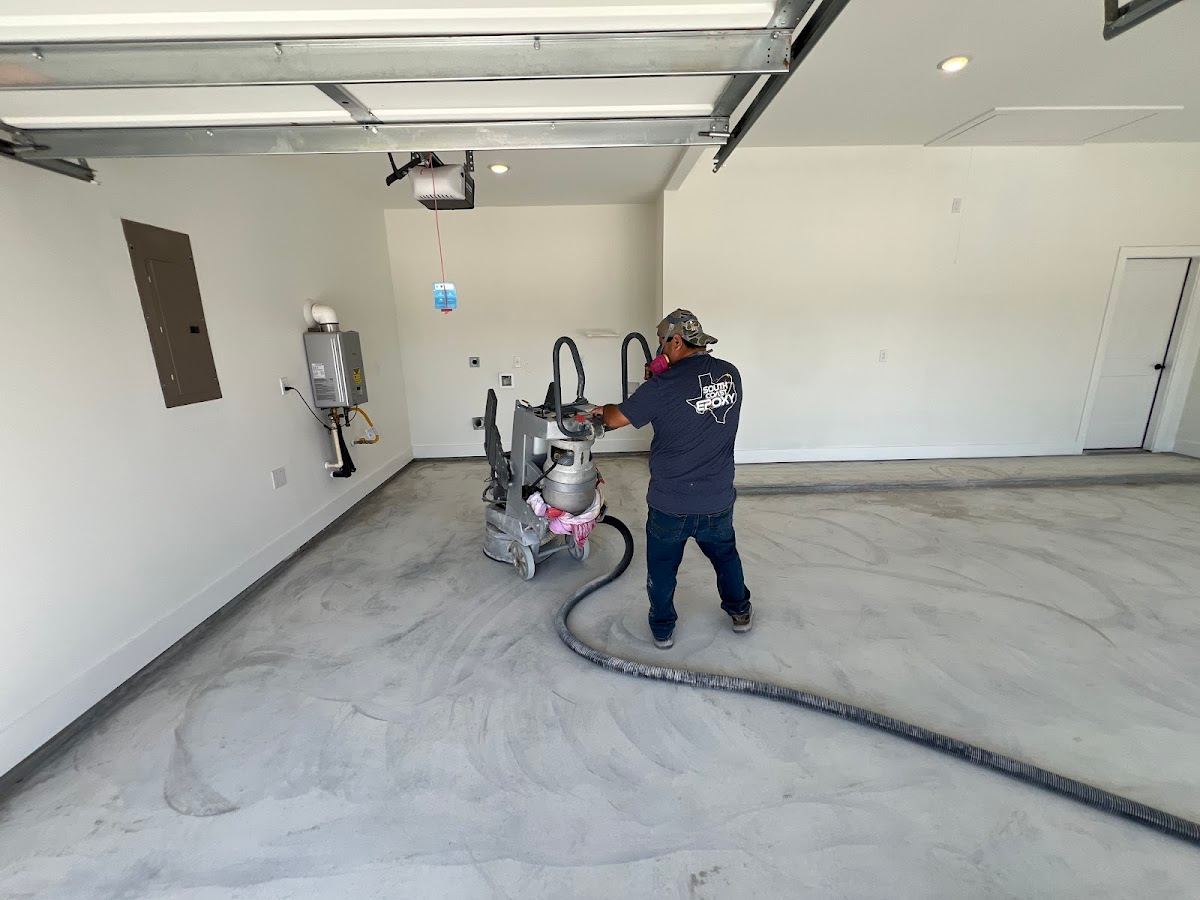
- Moisture testing and aggressive prep. We test the slab, then shot-blast or diamond-grind it to the correct CSP (concrete surface profile) so the coating bonds mechanically. See concrete grinding and surface preparation for what proper prep involves.
- Joint and crack repair. We fill and treat cracks and control joints to stop edge spalling under wheel loads before it starts.
- High-build base coat. We apply the resin base — epoxy, often quartz-reinforced — built to the thickness your point loads demand.
- Topcoat and seal. A chemical-resistant protective coat takes the daily abuse and locks everything in.
- Striping and markings. Traffic lanes, zone markings, hazard striping, and anti-slip aggregate where you need them.
- Staged return to service. We phase the reopening, section by section, to protect the cure so your operation keeps moving.
For more on why prep drives durability, our guide on concrete grinding before epoxy breaks it down.
Honest Cost Factors — What Actually Drives the Price
We won't quote a per-square-foot number sight unseen, because anyone who does is guessing. Warehouse pricing moves on a few real factors:
- Square footage. Larger floors get more efficient per square foot — mobilization and material volume work in your favor at scale.
- Slab and prep condition. A clean, sound slab coats fast. One with old failed coatings, oil contamination, heavy cracking, or high moisture readings needs more prep, repair, or mitigation — and that is the single biggest variable.
- System choice. A standard high-build epoxy costs less than a quartz-reinforced or urethane-cement build; the right call depends on your loads and chemicals.
- Moisture mitigation. If testing shows high vapor emission, a mitigation primer adds cost up front — but it's far cheaper than recoating a floor that peeled.
- Repairs and downtime. Crack and joint repair, plus phased night/weekend installs to keep you running, factor into the estimate.
You get an honest assessment of which of these apply to your slab — and where you can save without compromising the floor.
How It Compares to the Alternatives
Bare or sealed concrete is cheapest up front, but it dusts, stains, and absorbs spills, and it offers no real safety markings. Striping paint and floor enamels go down fast and fail just as fast under forklift traffic. Polished concrete — ground and densified through progressive diamond grits — is a great low-maintenance option for lighter-traffic warehouse and showroom floors, but it doesn't add chemical resistance or impact protection the way a resin build does; our epoxy vs. polished concrete comparison covers the trade-offs. For a heavy-duty distribution floor that takes point loads, chemicals, and washdown, an engineered epoxy or urethane-cement system is the floor that earns its keep.
Maintenance and Longevity
A properly installed warehouse coating is low-maintenance by design: routine sweeping, occasional auto-scrubbing or wet mopping with a neutral cleaner, and prompt cleanup of aggressive spills is most of it. With sound prep and the right system for the traffic, these floors hold up for many years of forklift and pallet duty — the same durability story we cover in how long epoxy flooring lasts and in our deep dive on the best commercial flooring for warehouses in Texas. High-wear lanes and topcoats can be refreshed down the road without redoing the whole system, which protects your original investment.
Why Choose South Coast Epoxy
South Coast Epoxy is locally owned and based in League City, and warehouse work is squarely in our wheelhouse — Andrew and the crew regularly handle large surfaces and phase the job around your operation. What sets us apart is the unglamorous part: proper diamond grinding and surface prep, real moisture testing before we commit to a system, honest joint and crack repair, and clear communication from the first walkthrough to the final one. We recommend the floor that fits your operation and your budget, not the priciest upsell, and we back it with clean prep, fair pricing, and a 4.9 rating across 57 reviews.
We serve Houston and the wider Bay Area, including League City, Pearland, and Galveston, along with the surrounding communities across the Texas Gulf Coast.
Ready to put a floor under your operation that's built for forklifts, chemicals, and Gulf-Coast humidity? Contact South Coast Epoxy or email info@southcoastepoxy.com for a free, honest quote on your warehouse flooring project — Andrew will walk your slab and recommend the right system for the way you run.
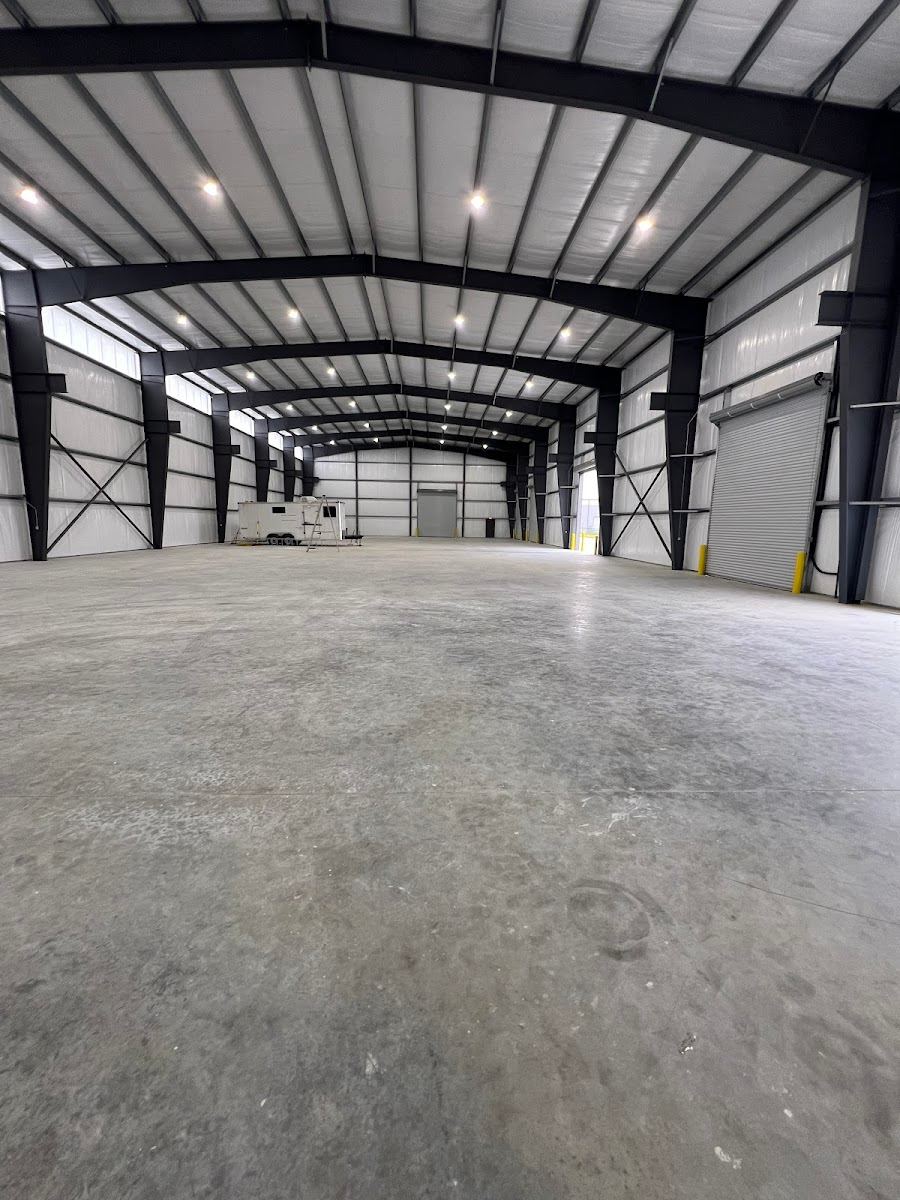
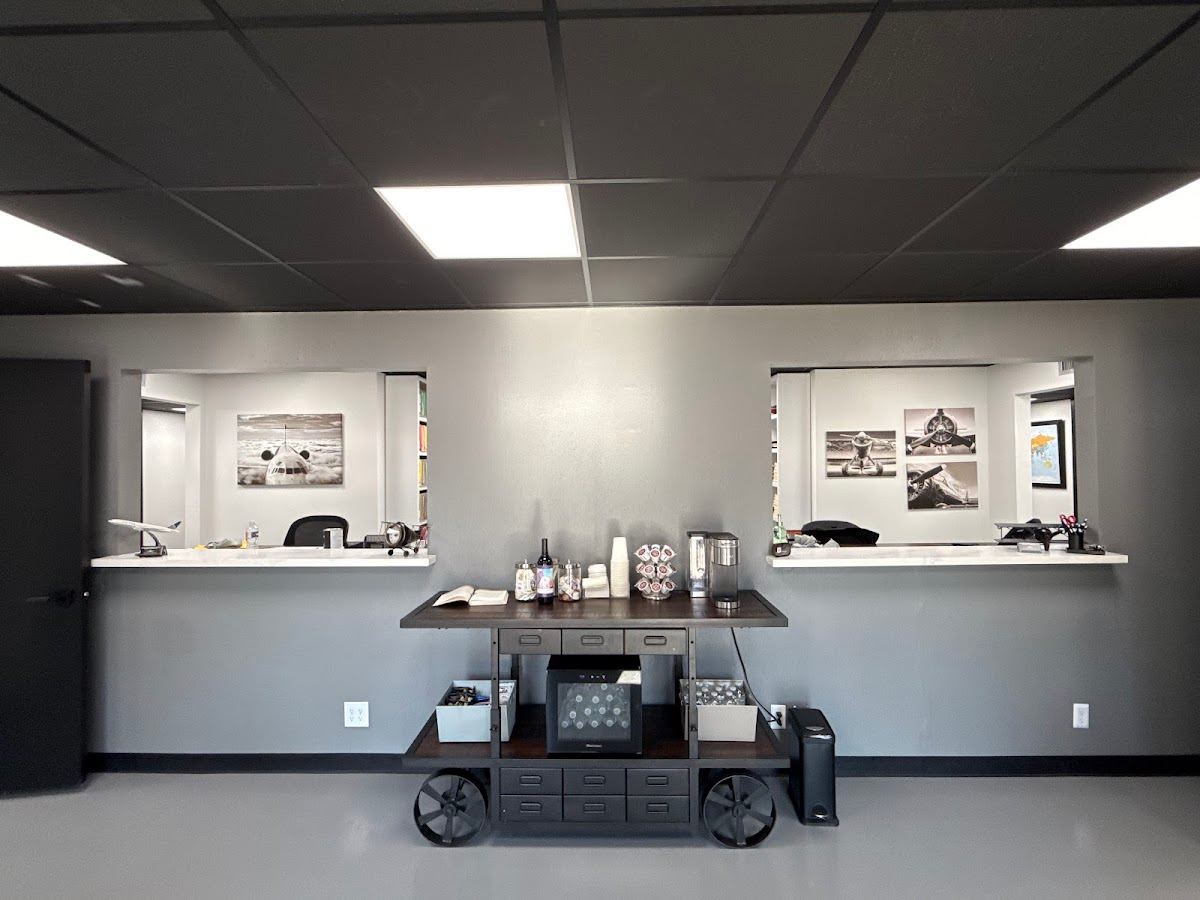
Recent Warehouse Flooring Projects
Our Process
Operational assessment
Review loads, chemicals, traffic patterns and phasing.
Aggressive prep
Shot-blast/grind to CSP; repair joints and cracks.
High-build base
Epoxy (optionally quartz-reinforced) for load.
Topcoat & seal
Chemical-resistant protective coat.
Striping & markings
Lanes, zones and anti-slip.
Staged return
Phased reopening to protect the cure.
Warehouse Flooring FAQs
Can the coating take forklift traffic?
Yes — high-build, properly profiled systems are built for forklift point loads and abrasion.
Can you add safety striping and lanes?
Yes — traffic lanes, zone markings and anti-slip aggregate are part of what we offer.
How do you minimize downtime?
We phase prep and install by section and stage the reopening to protect curing coatings.
Do you handle large square footage?
Yes — Andrew and the crew regularly handle large surfaces.
Is it chemical- and washdown-resistant?
We finish with a chemical-resistant topcoat matched to your operation.
Ready to Upgrade Your Floors?
Whether you need a garage epoxy floor, polished concrete, a commercial coating system, a restaurant floor, a warehouse floor, or a custom countertop finish, South Coast Epoxy will help you choose the right surface system for your space.
Prefer email? Reach us at info@southcoastepoxy.com