
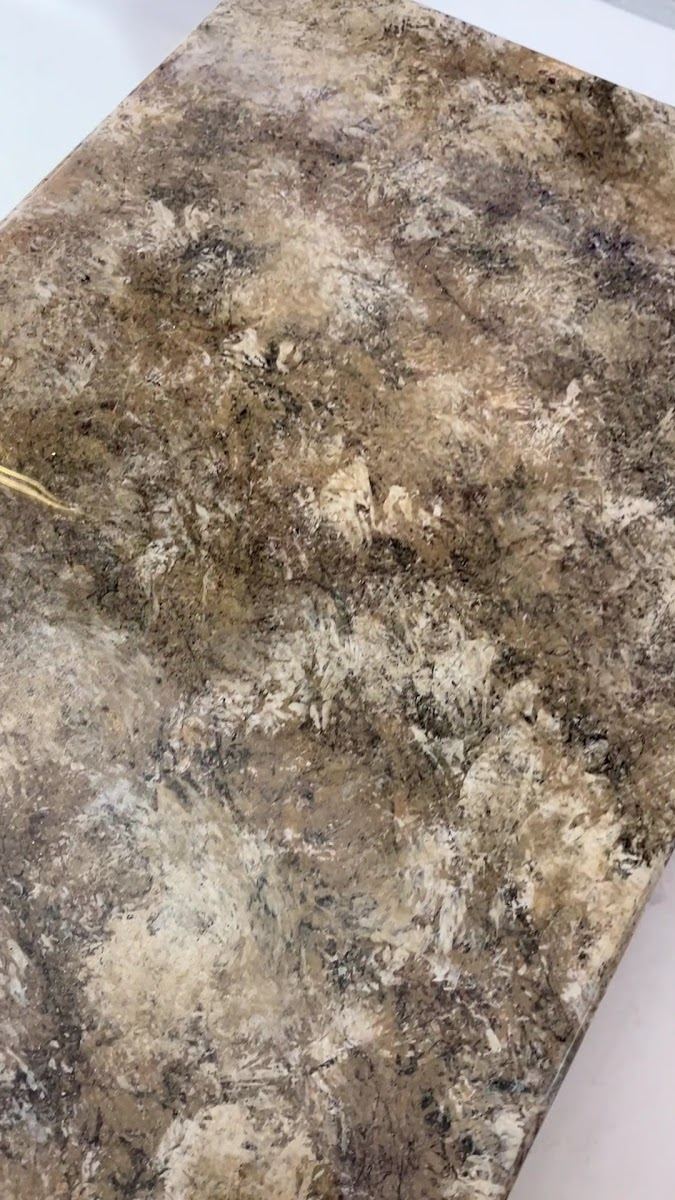
Flooring Service
Quartz Epoxy Flooring Systems in Texas
Tough, slip-resistant, sanitary quartz floors built for demanding spaces.
When a floor needs to be both heavy-duty and sanitary, quartz epoxy is the answer. South Coast Epoxy installs quartz systems across Texas for commercial kitchens, medical and sterile rooms, and industrial spaces. Andrew specs quartz where impact resistance, traction and easy sanitation all matter at once.
How it works
A quartz epoxy floor broadcasts colored quartz aggregate into resin, building a thick, dense, double-broadcast surface that's far tougher and more slip-resistant than a standard coating. Sealed with a chemical-resistant topcoat (and optional cove base), it creates a sanitary, seamless system ideal for wet, high-traffic and clean-room environments.
Benefits
- Thick, impact- and abrasion-resistant build
- Excellent slip resistance for wet areas
- Seamless and sanitary — easy to clean and disinfect
- Chemical- and stain-resistant topcoat
- Decorative quartz color blends available
- Long service life in demanding environments
Best Used For
- Restaurant and commercial kitchens
- Pharmacies, clinics and sterile/medical rooms
- Hospitals and healthcare floors
- Food and beverage processing
- Industrial and wash-down areas
- Locker rooms and wet zones
Get a free quartz epoxy floors quote
When a floor has to survive grease, hot water, dropped pans, harsh sanitizers and constant foot traffic — and still pass a health inspection — a standard coating won't cut it. Quartz epoxy flooring is the system built for exactly that kind of punishment. South Coast Epoxy installs slip-resistant quartz floors across the Houston Bay Area, from League City commercial kitchens to medical and industrial spaces where durability, traction and sanitation all matter at the same time.
What Quartz Epoxy Flooring Is and How the System Works
A quartz epoxy floor isn't a single coat of resin — it's a built-up, multi-layer system. Colored quartz aggregate (kiln-fired silica sand coated in pigment) is broadcast by hand into a wet bed of 100% solids epoxy, then sealed with a clear or pigmented topcoat. The result is a thick, dense, monolithic surface that bonds tight to the slab and shrugs off impact and abrasion far better than a thin roll-on coating.
The defining feature is the double broadcast. After the base resin goes down, we broadcast quartz into it to refusal, let it cure, scrape and vacuum the excess, then apply a second resin coat and broadcast again. That second pass is what gives a quartz system its real build thickness — typically 1/8" to 3/16" — and the dense, fully-encapsulated aggregate matrix that makes it so tough. Tune the broadcast and topcoat and you control exactly how aggressive the slip texture is, from a fine "orange-peel" tooth to a heavy anti-slip profile for wash-down zones.
Because the quartz is locked in resin and sealed on top, the finished floor is seamless and non-porous. There's nowhere for bacteria, grease or moisture to hide — which is the whole reason kitchens and clinics specify it.
Key Benefits That Set Quartz Apart
The biggest advantage is slip resistance you can engineer. Most floor failures in commercial kitchens and locker rooms come down to traction, and the quartz aggregate gives real "bite" even when the surface is wet with water, grease or cleaning solution. We dial the texture to your environment rather than handing you a one-size-fits-all finish.
Just as important is impact and abrasion resistance. The thick double-broadcast build absorbs dropped equipment, pallet jack wheels and dragged steel without chipping or wearing through the way a thin coating does. Pair that with a chemical- and stain-resistant topcoat — matched to the disinfectants, degreasers or process chemicals you actually use — and you get a floor that holds its finish for years.
Then there's sanitation. A seamless, non-porous quartz floor with an integral cove base (the resin curves up the wall instead of meeting it at a hard 90° joint) cleans out completely. No grout lines, no porous concrete, no seams collecting bacteria. That's what makes it a fit for spaces that face health-department scrutiny. And because quartz comes in pigmented color blends, none of this durability comes at the cost of looks — you can match the floor to a brand or a clean-room scheme.
Texas and Gulf-Coast Considerations
Here's where local experience earns its keep. Our slabs sit on the Gulf Coast, and that changes how any epoxy system has to be installed.
Most homes and buildings here are slab-on-grade with no vapor barrier under the concrete, or a barrier that's failed over decades. That means moisture vapor is constantly migrating up through the slab. Lay any epoxy over a slab with high moisture vapor emission and you risk blistering, bubbling and delamination down the line — no matter how good the product is. That's why we moisture-test the slab before we commit to a system, and spec a moisture-mitigation primer when the readings call for it. Skipping that step is the single most common reason coatings fail in this region.
Gulf-Coast heat and humidity also affect cure. Polyaspartic and epoxy chemistries are temperature- and humidity-sensitive, so we schedule installs and adjust catalysts to the conditions rather than rushing a pour that won't cross-link properly. And our expansive clay soils move with the wet-dry cycle, so honest crack and joint treatment up front — not just coating over the problem — keeps the floor intact as the slab shifts. If you want the deeper story on prep, our guide on concrete grinding before epoxy walks through why surface profile matters so much.
Systems, Finishes and Options
Quartz is one family within a broader menu, and part of an honest recommendation is matching the system to the job — not upselling the most expensive one.
| Option | Best for |
|---|---|
| Standard double-broadcast quartz | Kitchens, food prep, wash-down areas |
| Heavy anti-slip quartz | Ramps, coolers, freezers, wet locker rooms |
| Cove base + quartz | Medical, pharmacy, food processing (sanitation-critical) |
| Decorative quartz color blends | Retail, showroom and front-of-house spaces |
Where a job calls for decorative looks over heavy traction, we'll point you toward flake epoxy floors or metallic epoxy floors instead. Where it's about polish and light, polished concrete may be the smarter call. Quartz earns its place when traction, build thickness and sanitation are non-negotiable — and we'll tell you straight when that's not your situation.
Who Quartz Epoxy Flooring Is Best For
This system is purpose-built for demanding, often wet, often regulated environments:
- Restaurant and commercial kitchens — grease, water and dropped equipment are the daily reality. See our dedicated restaurant flooring page and the epoxy flooring for restaurants in Houston guide.
- Medical, dental, clinic and pharmacy sterile rooms — seamless, non-porous, disinfectant-ready surfaces with cove base.
- Food and beverage processing — wash-down areas needing traction and chemical resistance.
- Industrial and warehouse zones — battery rooms, wash bays and high-abrasion floors, often alongside our industrial epoxy flooring systems.
- Gyms, locker rooms and wet pool-adjacent areas — where wet-floor slips are a constant risk.
For broader commercial projects that span multiple floor types, our commercial epoxy flooring service ties it all together.
How We Install a Quartz Floor
The coating is only as good as the prep underneath it. Our process is deliberate:
- Assess use and exposure. We walk the space and review traffic, chemicals, temperatures, slip needs and sanitation requirements so we spec the right build and topcoat.
- Moisture test and diamond grind. We mechanically profile the slab with diamond grinders or shot-blasting to a proper CSP (concrete surface profile) so the resin bonds into the concrete, not just onto it. Moisture readings drive whether we add a mitigation primer. This is the heart of our surface preparation and concrete grinding work.
- Repair cracks and install cove base. We treat cracks and control joints honestly and form an integral cove base where sanitation matters.
- Base resin and first broadcast. Bonding resin goes down and quartz is broadcast to refusal.
- Second broadcast and seal. After cure, scrape and vacuum, a second resin coat and broadcast build the system, then a chemical-resistant topcoat seals everything.
- Cure, validate and walk through. We confirm return-to-service timing and hand you a cleaning protocol — then a final walkthrough so you know exactly what you got.
Honest Cost Factors
We don't publish a flat per-square-foot number, because an honest quote depends on the slab in front of us. The real drivers are:
- Square footage — bigger areas spread fixed costs but add material.
- Slab and prep condition — a clean, sound slab profiles fast; a slab with old coatings, oil saturation, heavy cracks or high moisture needs more grinding, repair or mitigation.
- System build — single vs. double broadcast, anti-slip level, and the topcoat grade matched to your chemicals.
- Sanitation features — cove base, additional clear coats and detail work around drains add labor.
- Repairs — crack, joint and floor repair and maintenance work needed before coating.
You'll get a clear, itemized quote with the recommendation we'd make for our own shop — not the priciest line item.
How Quartz Compares to the Alternatives
Quartz versus flake (vinyl chip) comes down to duty cycle. Flake is decorative and durable enough for most garages and showrooms; quartz builds thicker, hits harder on slip resistance and is the choice for wet, high-impact, sanitation-driven spaces. Quartz versus polished concrete is traction and protection versus polish and lower maintenance — polished concrete looks great in a dry showroom but offers none of the slip texture or chemical encapsulation a kitchen needs. For a fuller breakdown of coatings against bare concrete, see epoxy flooring vs polished concrete.
Maintenance and Longevity
A properly installed quartz floor is genuinely low-maintenance: daily sweep or auto-scrub, neutral-pH cleaner, and periodic deep cleaning matched to your topcoat. The non-porous surface releases grease and grime instead of absorbing it. In demanding commercial settings these systems routinely deliver many years of service, and when a high-wear topcoat eventually dulls, it can often be re-coated without tearing out the whole floor — far cheaper than replacement. Our piece on how long epoxy flooring lasts covers what actually determines lifespan (hint: it's prep).
Why Choose South Coast Epoxy
We're locally owned and based in League City, and Andrew and the crew install quartz systems throughout the Houston Bay Area — including Pearland, Galveston and the surrounding communities. What sets us apart isn't a slogan: it's proper diamond grinding, real moisture testing, honest crack repair, a topcoat matched to how you actually clean, and clear communication from quote to final walkthrough. We recommend the system your space needs — not the one that pads the invoice. With 57 reviews and a 4.9 rating, that approach speaks for itself.
Ready for a slip-resistant, sanitary quartz floor that holds up to Gulf-Coast conditions? Contact South Coast Epoxy or email info@southcoastepoxy.com to request your free, no-pressure quote — Andrew will walk your space and give you an honest recommendation.
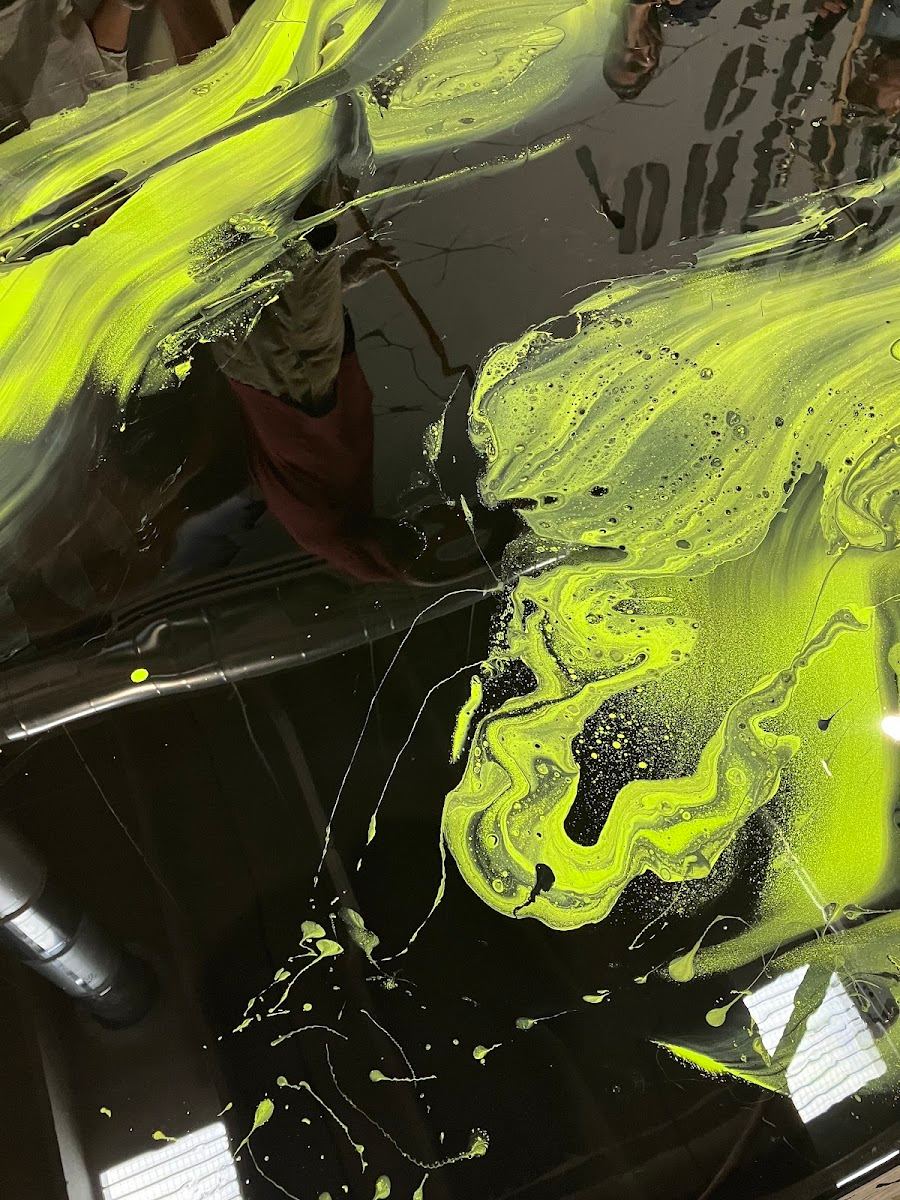
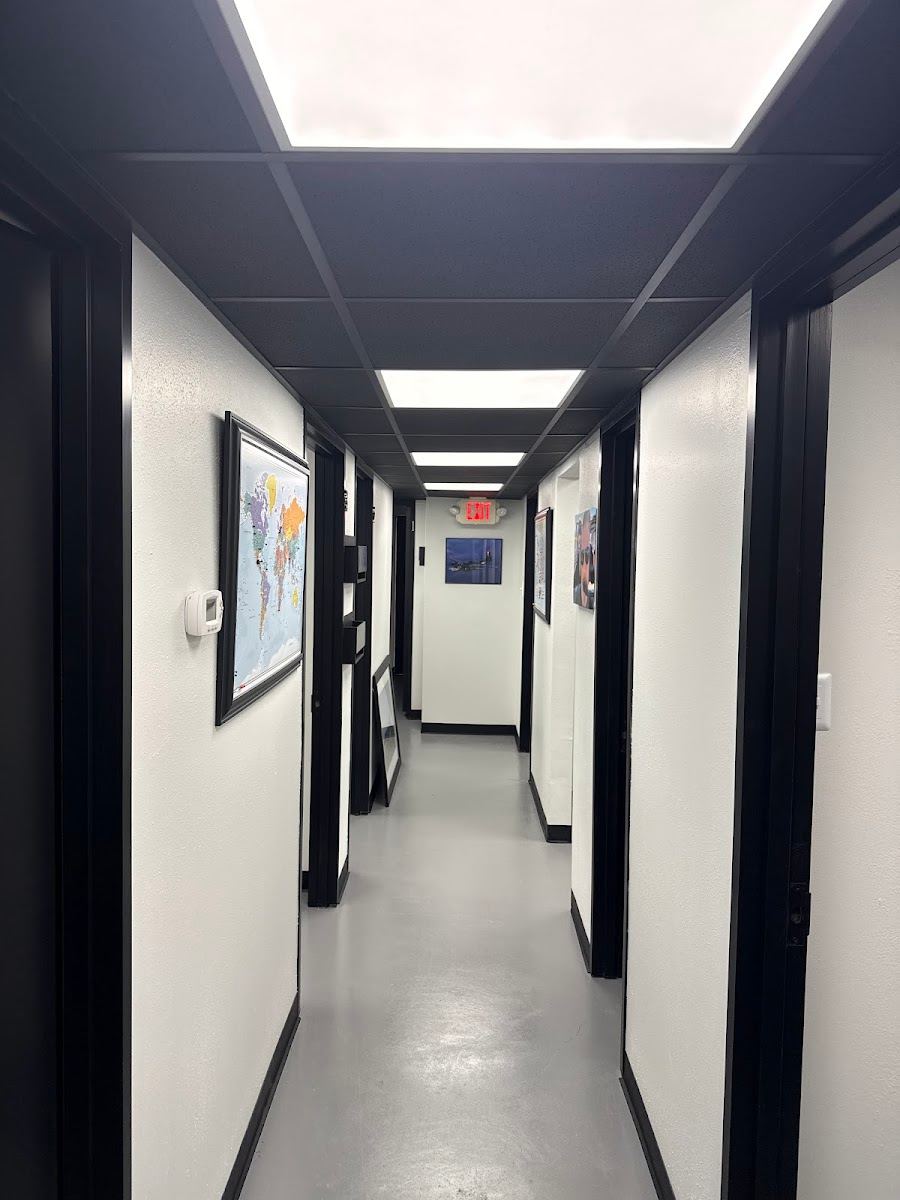
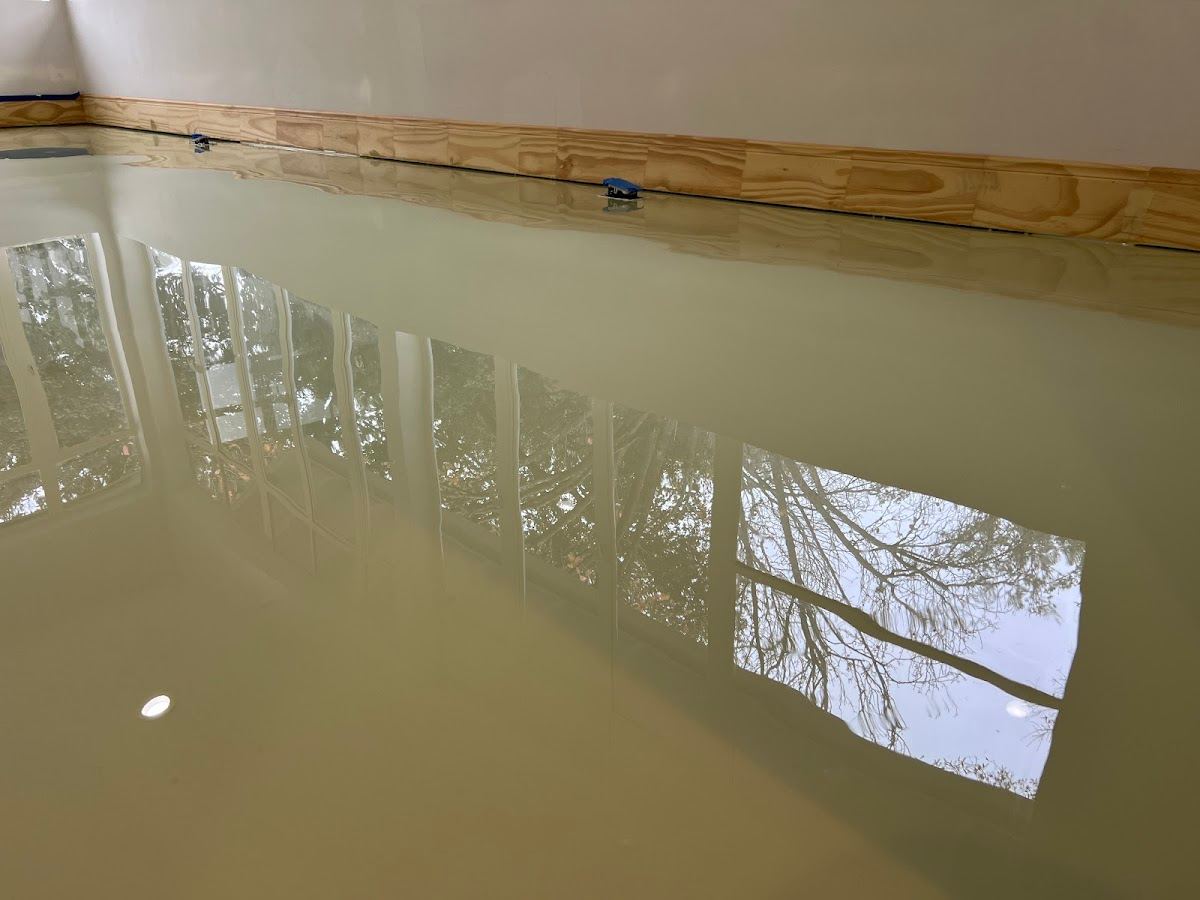
Recent Quartz Epoxy Floors Projects
Our Process
Assess use & exposure
Review traffic, chemicals, slip and sanitation needs.
Prep
Grind or shot-blast to profile; install cove base if specified.
Base resin
Apply the bonding resin layer.
Quartz broadcast
Broadcast quartz aggregate (often double-broadcast) for build.
Sealer / topcoat
Chemical-resistant topcoat seals the surface.
Cure & validate
Confirm return-to-service and cleaning protocol.
Related Services
Areas We Serve
Related Reading
Quartz Epoxy Floors FAQs
Why choose quartz over flake?
Quartz builds a thicker, denser, more impact- and slip-resistant floor — ideal for kitchens, medical and industrial spaces where durability and sanitation matter most.
Is it suitable for medical and sterile rooms?
Yes — the seamless, non-porous surface with cove base is easy to disinfect and well-suited to clinics and sterile environments.
How slip-resistant is it?
The quartz aggregate gives strong traction, even in wet kitchen and wash-down areas.
Can it handle harsh cleaning chemicals?
Yes — we finish with a chemical-resistant topcoat matched to your cleaning regimen.
Does it come in colors?
Yes — quartz is available in color blends so you can match the space.
Ready to Upgrade Your Floors?
Whether you need a garage epoxy floor, polished concrete, a commercial coating system, a restaurant floor, a warehouse floor, or a custom countertop finish, South Coast Epoxy will help you choose the right surface system for your space.
Prefer email? Reach us at info@southcoastepoxy.com