
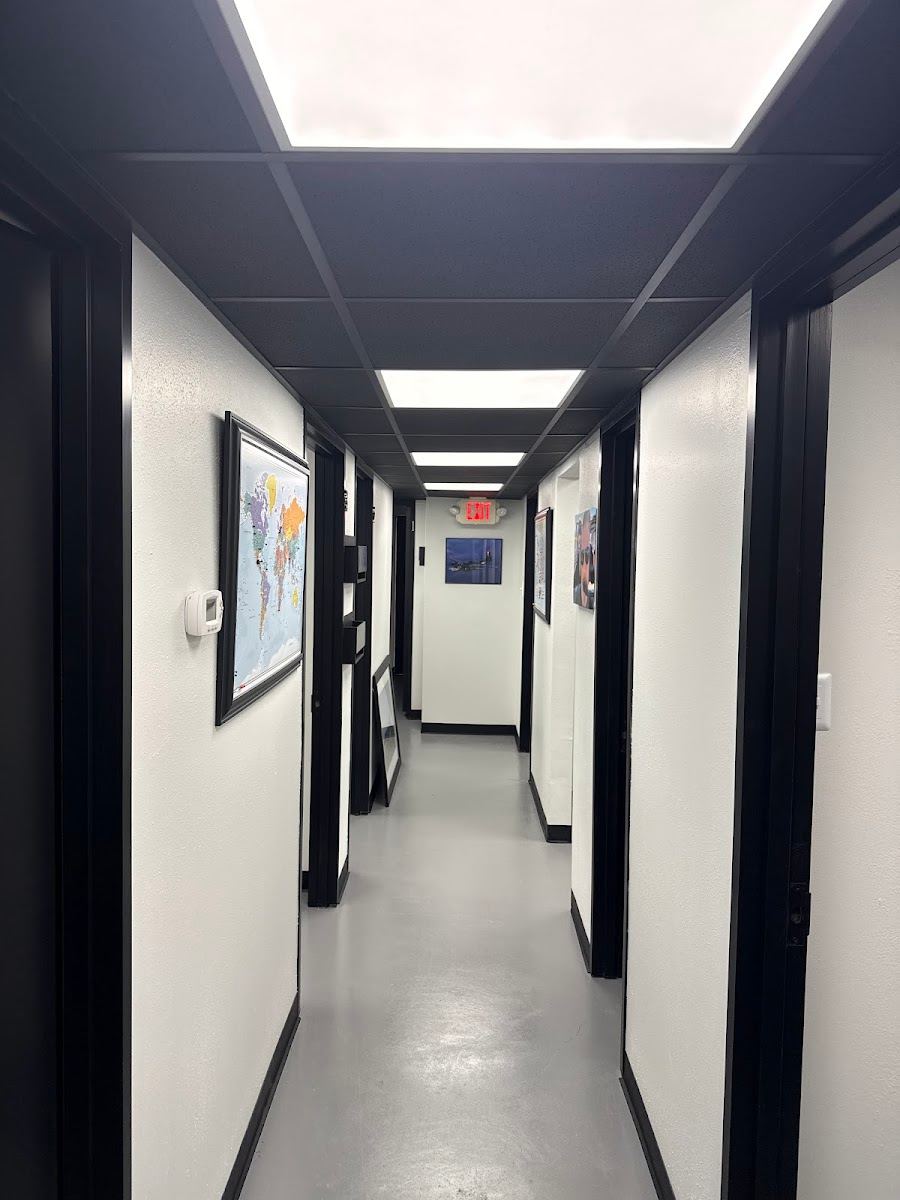
If you run a kitchen anywhere in Greater Houston, the floor takes more abuse than almost any surface in the building: hot grease, standing water, dropped pans, loaded dollies, nightly degreaser wash-downs, and nonstop foot traffic from open to close. Stack Gulf-Coast humidity and slab-on-grade construction on top of that, and a lot of "commercial" flooring simply does not survive. So the question owners keep asking us is a fair one: is restaurant epoxy flooring actually a good choice for a Houston kitchen?
The honest answer is yes, when it is engineered and installed correctly. A professionally prepped resin floor is seamless, sanitary, slip-resistant, and chemical-resistant, which is exactly what food service demands. Below is the straight breakdown of how commercial kitchen flooring options compare, where epoxy shines, where a tougher system makes more sense, what drives the price, and what to expect from a real install on the Texas coast.
Why Restaurant Floors Are So Hard to Get Right
Restaurant floors fail for predictable reasons. Grease works into every porous surface and every grout line. Water pools in low spots and around dish stations. Cleaning crews hit the slab with degreasers and mild acids night after night. Carts, kegs, and hand trucks roll the same paths until the surface wears through. And in a Houston summer, the slab itself is fighting moisture pushing up from below.
Traditional quarry tile and VCT both struggle in this environment. Tile can be tough, but the grout between every piece is the weak link: it is porous, it absorbs grease and bacteria, it cracks, and it becomes the exact thing a health inspector flags. VCT is cheap up front but soft; it stains, and the seams lift once water gets underneath. A seamless coating changes the math entirely. Instead of hundreds of joints, you get one continuous, non-porous surface that grease and water cannot penetrate, with a coved transition where the floor meets the wall so there is nowhere for grime to hide.
Commercial Kitchen Flooring Options Compared
There is no single "best" floor for every restaurant. The right system depends on your heat exposure, your wash-down routine, and your budget. Here is how the realistic options stack up for a working Houston kitchen.
| System | Best for | Strengths | Watch-outs |
|---|---|---|---|
| Epoxy + polyaspartic topcoat | Most kitchens, bars, dining, prep | Seamless, chemical-resistant, fast-curing topcoat, decorative options | Needs anti-slip aggregate; not ideal next to ovens/fryers without the right resin |
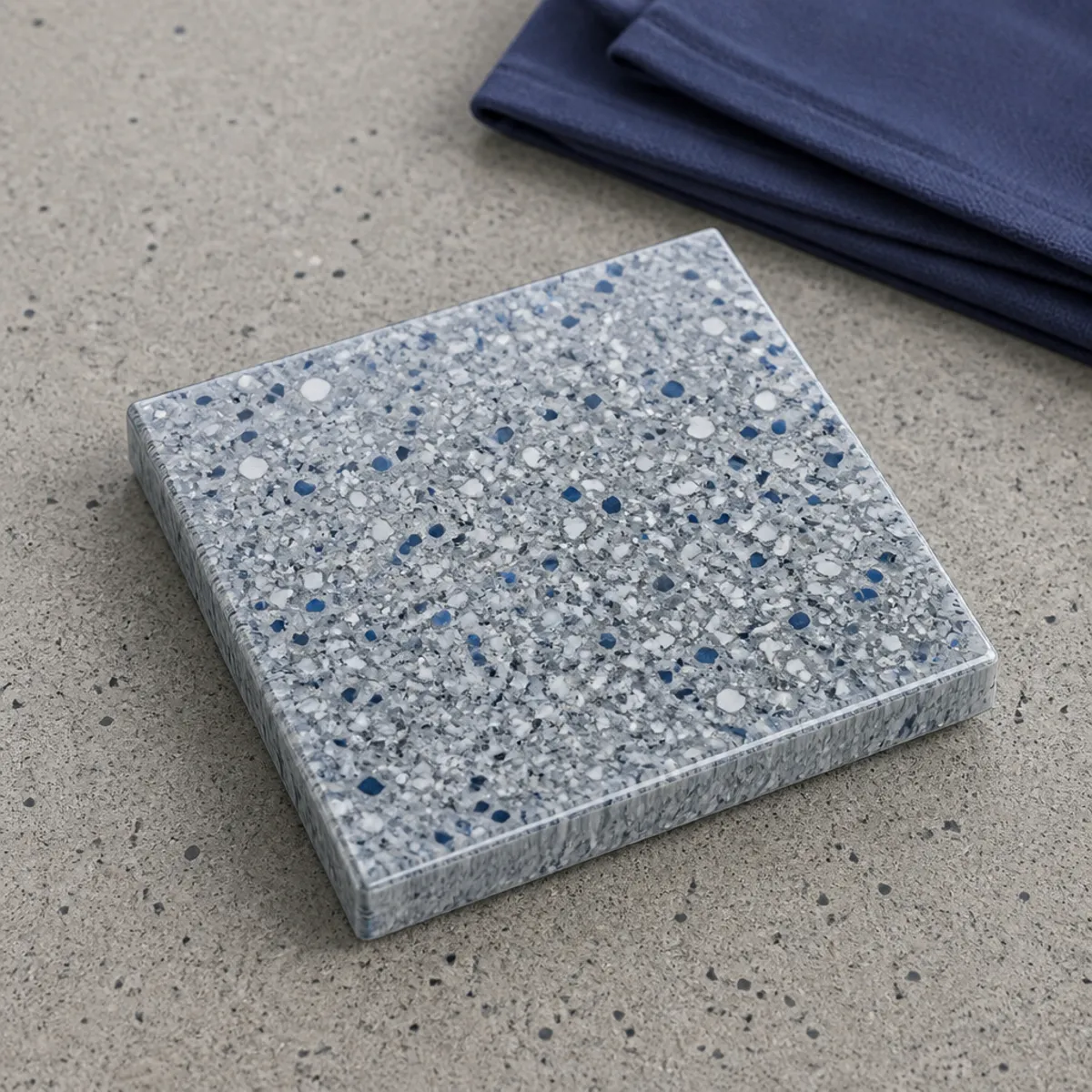
| Quartz-filled epoxy | Cook lines, dish pits, wash-down rooms | High build, excellent traction, very durable and cleanable | Higher material cost than a flake build |
| Urethane (cementitious) topcoat | Hot zones, heavy thermal shock, fryers/steam | Handles thermal shock and boiling spills, extremely tough | Premium price; usually paired with epoxy elsewhere |
| Quarry tile | Owners who want a traditional look | Hard, heat-tolerant | Grout lines absorb grease and crack; high maintenance |
| VCT / sheet vinyl | Tight budgets, low-traffic areas | Cheapest up front | Short lifespan, stains, seams lift in wet areas |
For most Greater Houston restaurants we coat, the smart play is a hybrid: a quartz epoxy floor or urethane topcoat in the highest-heat, highest-grease zones, and a sealed epoxy or flake epoxy floor elsewhere. One installer, one seamless plane, the right system in each room.
The Real Benefits of Epoxy in a Commercial Kitchen
Seamless and Sanitary
The biggest win for food service is the seamless finish. With no grout lines and no seams, there is nowhere for grease, food debris, or bacteria to collect, so your closing crew can actually clean the floor instead of pushing grime around joints. For wash-down kitchens we form an integral cove base, curving the coating a few inches up the wall instead of leaving a sharp 90-degree corner. That cove eliminates the hard-to-clean junction where floor meets wall and lets water and sanitizer sheet straight back to the drains. It is the detail that separates a real commercial system from a garage kit, and it is exactly what inspectors look for. You can see our full approach on our restaurant flooring page.
Slip Resistance Where It Counts
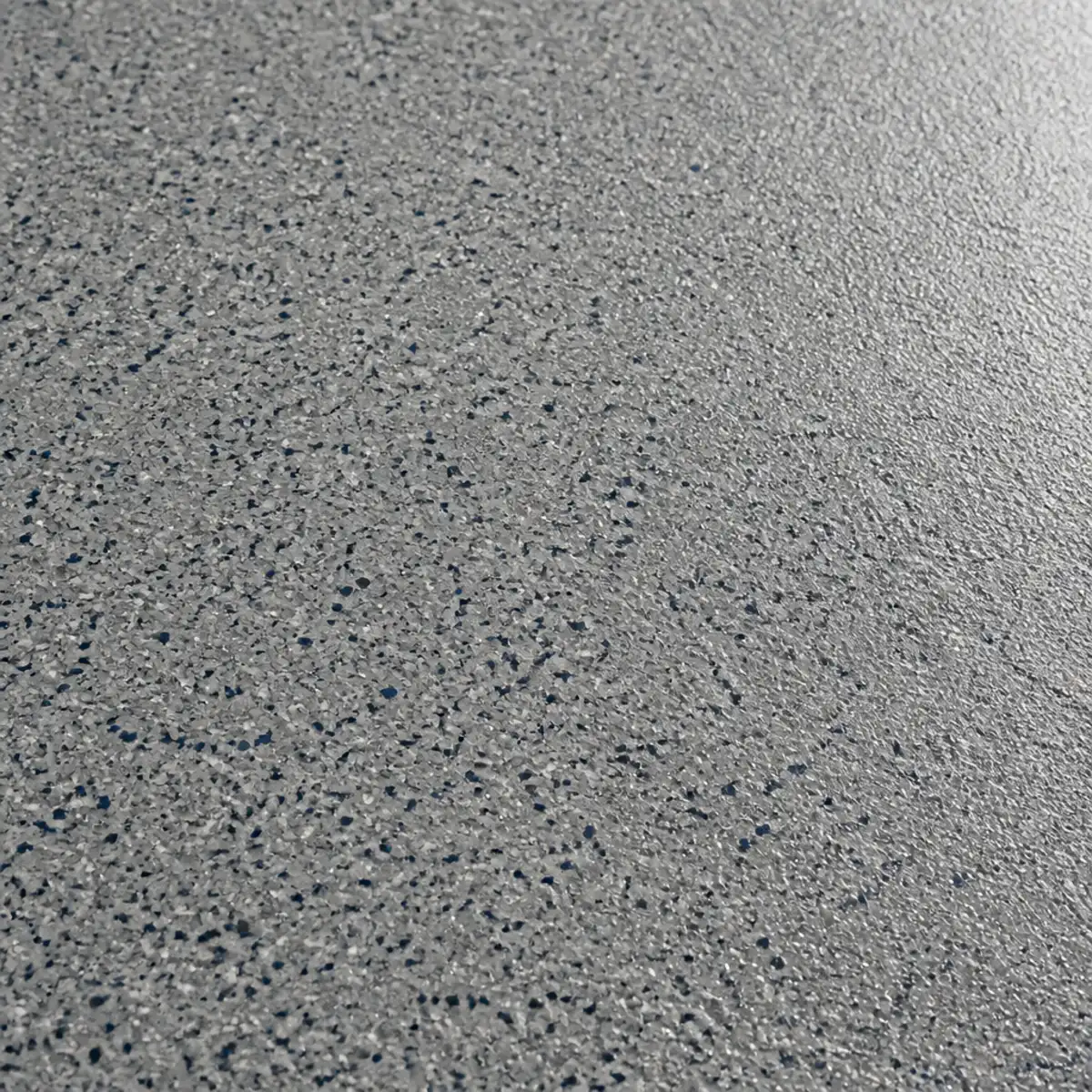
A common worry is that a glossy resin floor will be slick. It does not have to be, and in a kitchen it should not be. We broadcast an anti-slip aggregate, such as quartz or aluminum oxide, into the topcoat in wet zones to build traction directly into the surface. The goal is a higher coefficient of friction where your line cooks and bartenders stand, even with water, grease, and ice underfoot. We dial the texture by zone: a heavy non-slip profile in the dish pit and behind the line, a lighter finish in the dining room where comfort and looks matter more. Slip-and-fall liability is a real cost in this business, and getting traction right is one of the most practical reasons to choose a professional commercial epoxy flooring system over bare or painted concrete.
Chemical, Grease, and Heat Resistance
A properly installed resin floor stands up to the chemistry of a working kitchen. Cooking oils, animal fats, mild food-prep acids, and the degreasers and sanitizers your crew uses nightly wipe off a non-porous surface instead of soaking in and staining. Where bare concrete would darken and pit and grout would absorb odors, a sealed surface stays cleanable. For the hottest spots, by the fryers, steam kettles, and dish machines, we specify resins that tolerate thermal shock from boiling spills and hot wash-down water, which is where a urethane topcoat earns its place. That durability is what makes these concrete coatings a long-term investment rather than a recurring repair line.
Fast Cure and Minimal Downtime
For a restaurant, downtime is lost revenue. This is where fast-cure polyaspartic topcoats earn their keep: depending on scope, they can return a floor to service in hours rather than days, so a kitchen can often go down after close and reopen far faster than a multi-day tile job. We scope the timeline around your hours and, where it makes sense, work overnight or over a planned closure to keep your doors open.
Health Codes, Food Safety, and What Inspectors Expect
Texas food-service floors have to meet the spirit of USDA, FDA, and local health-code expectations: surfaces that are smooth, durable, non-absorbent, and easy to clean, especially in food-prep and warewashing areas. A seamless epoxy or urethane floor with a coved base checks those boxes directly because there are no porous joints to harbor pathogens and the floor-to-wall junction is sealed and washable.
A few practical points that come up during inspections and renovations:
- Drainage matters. Floors in wet areas should slope to drains; we can address minor low spots during prep so water actually leaves the floor.
- Slip resistance is a safety requirement, not a nicety. Aggregate-broadcast topcoats give defensible traction in wet zones and support ADA-minded walking surfaces out front.
- Cove base supports sanitation. The integral cove is one of the most-requested details for kitchens that need to pass a wash-down inspection.
We are not a code-enforcement office, but we install to the standards food-service operators are held to, and we flag anything in your slab that could become an issue before we coat.
Houston Climate and Slab-on-Grade Considerations
This is where local experience separates a floor that lasts from one that peels in a year. Most Houston-area buildings sit on slab-on-grade foundations, and many were poured without a proper vapor barrier underneath. In our humidity, moisture drives up through the concrete continuously. Lay a coating over a slab with active vapor drive and no one checks for it, and the floor will bubble and delaminate no matter how premium the product is.
That is why we test for slab moisture before we coat anything, and when the readings call for it, we install a moisture-mitigation layer first. Surface prep is just as important. We diamond-grind the slab to open its pores for a true mechanical bond, repair cracks and spalls, and manage the dust, rather than acid-etching and hoping. Skipping prep is the number-one reason restaurant floor coatings fail early; our companion guide on concrete grinding before epoxy walks through exactly why the surface underneath matters more than the coating on top. We have coated kitchens and bar floors across Greater Houston, including the Webster and Clear Lake dining scenes, and we plan the install around your closures up front.
Where Epoxy Works Best Across a Restaurant
Epoxy is not just a kitchen product. Across a typical footprint, several zones are ideal candidates for a seamless coating:
- Cook line and prep areas — the highest-abuse, highest-grease zone, where seamless chemical and heat resistance matter most.
- Dish pits and wash-down rooms — constant water and cleaner; a coved, quartz, slip-resistant build is the right call.
- Walk-in coolers and freezers — cold-rated coatings sanitize easily and resist the moisture cycling that wrecks other floors.
- Bar floors — spilled drinks, ice, and citrus acid all shift; anti-slip texture keeps bartenders on their feet.
- Dining rooms — a decorative flake or metallic epoxy finish delivers an on-brand look that still wipes clean.
- Patios and covered seating — with a UV-stable topcoat, epoxy and polyaspartic handle Gulf-Coast sun and weather.
That flexibility is the appeal: a tough utilitarian system back of house and a decorative finish out front, all seamless and all from one crew. For ideas on the front-of-house side, our metallic epoxy flooring ideas post is a good starting point.
What Drives the Cost (Honest Guidance)
We will not throw a price-per-square-foot at you online, because an honest number depends on your floor. Anyone quoting a flat rate sight-unseen is guessing. The real cost drivers are:
- Slab condition and prep — grinding, crack and spall repair, and leveling low spots all add labor before any resin goes down.
- Moisture mitigation — if testing shows vapor drive, a mitigation layer is non-negotiable and adds to the build.
- System and thickness — a thin solid-color seal costs less than a high-build quartz or urethane system rated for hot, heavy zones.
- Cove base and drains — wash-down detailing is more labor than a plain field coat.
- Square footage and access — a tight, equipment-packed kitchen is slower to work than open square footage.
- Scheduling — overnight and over-closure work to protect your revenue can affect the quote.
The way to compare quotes fairly is to make sure every bidder is pricing the same prep and the same system. For more on vetting installers, see our flooring contractors hiring guide.
What to Expect From a Professional Install
A real commercial floor follows a sequence, and knowing it helps you plan. First, a site assessment and moisture test to confirm the slab is a good candidate and flag repairs. Next, diamond grinding to profile the concrete, then crack and joint repair. The base coat goes down, flake or aggregate is broadcast, the cove base is formed where needed, and the topcoat seals everything. Finally, a cure window before traffic returns.
Fast-cure systems can compress that into a tight off-hours window, but the steps do not change. Anyone offering to "clean and roll" a coating onto your kitchen floor in an afternoon is skipping the parts that make it last, and in a humid, grease-heavy, high-traffic kitchen that shortcut is exactly what you do not want. Once it is down, upkeep is simple, and our epoxy maintenance tips translate directly to a commercial kitchen routine.
The Bottom Line for Houston Restaurants
So, is epoxy good for a Houston restaurant? For the demands of food service it is one of the best floors you can install: seamless and sanitary for health compliance, slip-resistant for staff safety, chemical- and heat-resistant for the realities of a kitchen, and fast-curing to limit downtime. The catch is that it only delivers when it is prepped, moisture-tested, and built for our specific Gulf-Coast conditions, with the right system in each zone. Done right, it pays for itself in cleanability, durability, and fewer closures for repairs.
If you are opening, renovating, or just tired of fighting your current floor, South Coast Epoxy can help. We are locally owned and operated out of League City, serving restaurants across Houston and the Bay Area, and we plan installs around your hours to keep your doors open. Email us at info@southcoastepoxy.com or reach out through our contact page to set up a walkthrough and a free, no-pressure quote built for your kitchen.
Frequently Asked Questions
Is epoxy flooring food-safe for commercial kitchens?
Seamless epoxy with an integral cove base eliminates grout lines and is widely used in commercial kitchens for sanitation and wash-down cleaning. There are no joints for grease or bacteria to collect in, which makes daily sanitizing far more effective.
Is epoxy slippery in a wet kitchen?
It does not have to be. Anti-slip aggregate is broadcast into the topcoat to add traction for wet kitchen and bar areas, giving your staff secure footing even with water, grease, and ice on the floor.
How long does a restaurant need to close for epoxy?
Fast-cure polyaspartic systems can be installed during off-hours and over a closure, often returning floors to service quickly to limit lost revenue. We scope timing around your operating schedule before any work begins.
Does epoxy hold up to grease and cleaning chemicals?
Yes. A properly installed epoxy floor resists grease, cooking oils, mild acids, and common kitchen sanitizers, and it wipes clean instead of staining the way porous concrete or grouted tile does.
About South Coast Epoxy
South Coast Epoxy is a locally owned epoxy, polished concrete, and flooring contractor based in League City, TX, serving homeowners and businesses across the Houston Bay Area. Owner Andrew and his crew specialize in durable, great-looking floors built for the Texas Gulf Coast. Get a free quote →