
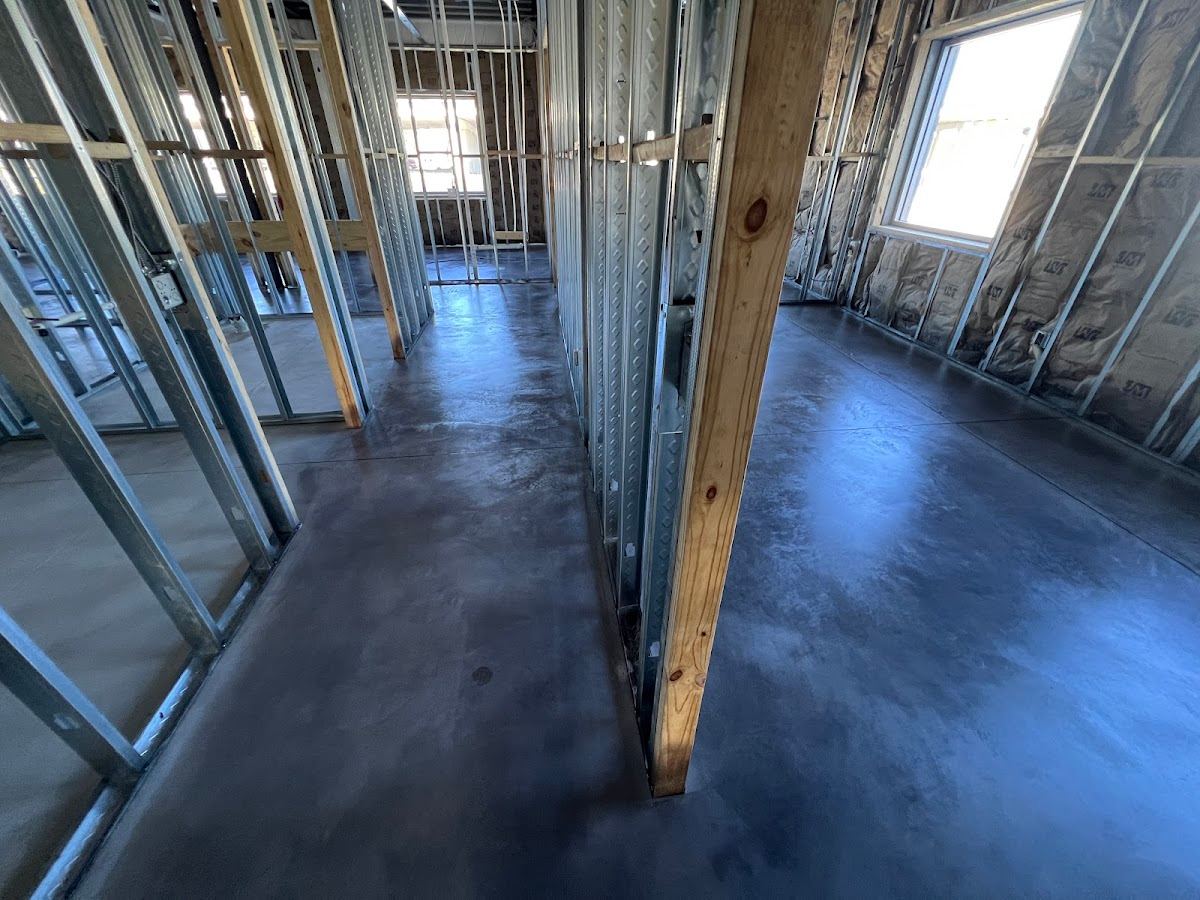
Flooring Service
Concrete Coatings in League City & Houston, TX
Protective and decorative concrete coatings for interiors, patios and porches.
From garage slabs to patios and front porches, the right coating protects concrete from Gulf-Coast sun, rain and humidity while looking great. South Coast Epoxy installs protective and decorative concrete coatings, including staining and sealing, across League City and Houston. Andrew helps you choose between epoxy, polyaspartic, stain or sealer based on where the floor lives and how it is used.
How it works
Concrete coatings covers several systems. Epoxy and polyaspartic build a durable resin layer for interiors and garages; decorative stain plus a penetrating or film sealer enhances and protects outdoor and patio concrete; and UV-stable topcoats are used anywhere sun exposure would yellow a standard epoxy. We match chemistry to exposure, interior versus exterior and foot versus vehicle traffic.
Benefits
- Protects concrete from moisture, UV, stains and wear
- Decorative options including color, stain, flake and gloss level
- UV-stable systems for sun-exposed patios and porches
- Easy-clean, sealed surface
- Extends the life of existing concrete
- Tailored to interior or exterior exposure
Best Used For
- Patios, front porches and outdoor living areas
- Garage and shop floors
- Pool-adjacent and entry concrete
- Commercial entries and walkways
- Stained-and-sealed decorative interiors
- Driveways and walkways where suitable
Get a free concrete coatings quote
A bare concrete slab in this part of Texas takes a beating — Gulf-Coast sun, summer humidity, hurricane-season rain, and the constant moisture that wicks up through slab-on-grade foundations. The right concrete coating turns that vulnerable surface into a sealed, easy-clean, long-lasting floor that actually holds up here. South Coast Epoxy installs protective and decorative concrete coatings across League City, Houston, and the Bay Area, and owner Andrew matches the system to where the floor lives instead of pushing whatever costs the most.
What "Concrete Coatings" Actually Means
"Concrete coatings" is an umbrella term, not a single product. It covers any resin or sealer system bonded to a prepared slab to protect and improve it. As one of the leading concrete coating contractors in Texas, we work across the full range:
- Resin coatings — epoxy and polyaspartic build a continuous, bonded film on top of the concrete.
- Decorative stain plus sealer — acid or water-based stain colors the slab, then a penetrating or film-forming sealer locks it in.
- UV-stable topcoats — a clear urethane or polyaspartic layer that won't yellow in direct sun.
The system you need depends on three questions: is the floor interior or exterior, does it carry foot traffic or vehicles, and how much sun and moisture hits it. We answer those before we recommend anything. If you want a deeper material breakdown, our guide on epoxy flooring vs. polished concrete is a good companion read.
How a Coating System Is Built
A good coating is mostly about what happens before the color goes down. A typical resin system on a Houston-area slab looks like this:
- Surface prep — diamond grinding to open the concrete and create the right concrete surface profile (CSP) for the resin to grip. This is the step cut-rate installers skip, and it's the number-one reason coatings peel.
- Crack and repair work — control joints, spalls, and cracks get cleaned out and filled with the appropriate repair material.
- Moisture check — we test the slab so vapor pressure doesn't blow the coating off later.
- Base coat — a high-build epoxy or polyaspartic primer that bonds into the ground profile.
- Broadcast layer (optional) — decorative flake or quartz broadcast to refusal for texture, grip, and looks.
- Topcoat — a clear UV-stable polyaspartic or urethane that takes the wear and seals everything in.
That layered build is why a properly installed coating outlasts a one-coat "garage floor paint" by years. You can read more about why the grinding step matters in our breakdown of concrete grinding before epoxy.
Key Benefits of a Coated Slab
A coated floor protects concrete from moisture, UV, oil, salt, and abrasion — the things that pit and stain bare slabs over time. It seals the porous surface so spills wipe up instead of soaking in, which matters as much in a home garage as it does in a commercial kitchen. The seamless finish has no grout lines or seams to trap dirt, so cleanup is a mop or a hose. Decorative options — solid color, full flake broadcast, metallic, or stained-and-sealed — let the same protective system look like anything from an industrial gray shop floor to a showroom finish. And because the coating bonds to and reinforces the existing concrete, it extends the life of the slab you already have rather than replacing it.
Built for Gulf-Coast Conditions
This is where local experience separates a coating that lasts from one that fails in eighteen months. Most slabs around League City and Houston are slab-on-grade poured directly on our coastal soils. That means two things you can't ignore:
- Moisture vapor transmission. Water in the soil moves up through the slab as vapor. If you trap it under a non-breathable coating without testing and mitigating first, the vapor pressure delaminates the floor. We run moisture testing and choose chemistry that can handle the reading — that single step prevents most coating failures we get called to fix.
- Slab movement. Expansive clay soils swell and shrink with our wet-dry cycles, and that moves concrete. No coating stops structural movement, but honoring control joints, doing proper crack repair, and using a flexible polyaspartic topcoat where appropriate keeps small movement from telegraphing into ugly cracks.
Add the heat and humidity — which shorten the working window for epoxy and demand careful ambient and surface-temperature control during install — plus relentless UV on anything outdoors, and you have a climate that punishes shortcuts. We schedule and spec around all of it.
The Systems and Finishes We Install
| System | Best For | Why |
|---|---|---|
| Epoxy base | Interior floors, garages, shops | Thick, durable, great adhesion |
| Polyaspartic | Fast-cure jobs, UV areas, topcoats | Cures fast, won't yellow, flexible |
| Flake broadcast | Garages, gyms, commercial | Hides flaws, adds slip resistance |
| Quartz | Kitchens, wet areas, heavy-duty | Tough, sanitary, great traction |
| Solid color | Warehouses, clean industrial look | Simple, economical, durable |
| Stain + seal | Patios, porches, decorative interiors | Color in the slab, UV-stable seal |
Many of these are services in their own right — explore flake epoxy floors, quartz epoxy floors, metallic epoxy floors, and garage floor coatings if you already know the look you want. A fast-cure polyaspartic build is often what makes a one-visit turnaround possible.
Who and What It's Best For
The right coating exists for almost any prepared slab, but here's where we install most often around the Bay Area:
- Garages and home shops — flake or solid-color systems that shrug off hot tires, oil, and dropped tools.
- Restaurants and commercial kitchens — seamless, sanitary quartz or flake floors that meet cleanability needs. See our restaurant flooring page.
- Warehouses and industrial space — high-durability coatings that take forklift and pallet-jack traffic. More on warehouse flooring.
- Retail and showrooms — decorative finishes that look sharp under foot traffic; see retail flooring.
- Medical, pharmacy, and sterile rooms — non-porous, easy-to-sanitize systems.
- Aircraft hangars and gyms — large-format coatings that resist chemicals, weight, and abrasion.
- Patios, porches, and pool-adjacent concrete — UV-stable stain-and-seal or polyaspartic that won't fade or chalk in the Texas sun.
The Installation Process, Start to Finish
We keep it transparent. It starts with a consult and exposure review — interior vs. exterior, traffic type, sun, and how you'll use the space. Then prep: diamond grinding to the right profile, full clean, crack and joint repair, and moisture testing. If you've chosen a decorative finish, color or stain goes down next. We then coat or seal with the matched system — epoxy, polyaspartic, or a penetrating/film sealer — and add a UV-stable topcoat anywhere sun exposure would yellow a standard epoxy. Finally, we cure and walk it through with you, covering reseal intervals and care. Polyaspartic-heavy builds cure fast enough to put many floors back in service quickly, though we never rush a slab that needs more grinding or moisture work than expected. Our surface preparation work is the foundation the whole system rides on.
What Drives the Cost
We don't post a flat per-square-foot number because an honest quote depends on your actual slab. The real cost factors are:
- Square footage — bigger areas spread fixed costs but add material.
- Slab and prep condition — a clean, sound slab grinds fast; a cracked, oil-soaked, or previously coated floor needs more prep and repair.
- System chosen — solid color costs less than a full flake or quartz broadcast with multiple topcoats.
- Repairs and moisture mitigation — extensive crack repair or a high moisture reading adds steps.
- Finish complexity — multi-color flake blends and metallic effects take more labor than a single solid coat.
Andrew gives you a clear breakdown and an honest recommendation — sometimes that's a simpler, less expensive system than you came in expecting.
How It Compares to the Alternatives
Against bare or painted concrete, a real coating is in another league — paint sits on the surface and flakes; a ground-and-bonded resin system becomes part of the floor. Against tile, a coating has no grout to stain or fail and no seams to chip. And against polished concrete — which grinds and densifies the slab itself with progressively finer diamond grits — a coating adds a protective top layer with more color and texture freedom, while polishing offers an ultra-low-maintenance, no-recoat finish. For many garages and decorative spaces a coating wins; for some large commercial floors, polishing does. We'll tell you which fits your slab.
Maintenance and Longevity
A properly installed coating is low-maintenance: dust mop or sweep, damp mop with a pH-neutral cleaner, and wipe spills as they happen. Exterior stained-and-sealed concrete needs periodic resealing — interval depends on traffic and sun, and we'll give you a realistic number and can handle the reseal. A quality interior resin floor, kept clean, lasts for years before it needs attention. We also offer ongoing floor repair and maintenance if a floor ever needs a touch-up or recoat.
Why South Coast Epoxy
We're locally owned and based in League City, and we coat floors all over the Houston Bay Area — League City, Houston, Clear Lake, and Friendswood included. With a 4.9 rating across 57 reviews, our reputation is built on the unglamorous stuff: real diamond grinding, honest moisture testing, proper crack repair, clear communication, fair pricing, and a final walkthrough so you know exactly what you got. Andrew recommends the system your slab and your use actually need — not the priciest line item.
If you're comparing concrete coating contractors in Texas and you want a crew that understands Gulf-Coast slabs, reach out for a free quote. Email info@southcoastepoxy.com with your space, square footage, and how you'll use the floor, and we'll get you a clear, honest recommendation.
Recent Concrete Coatings Projects
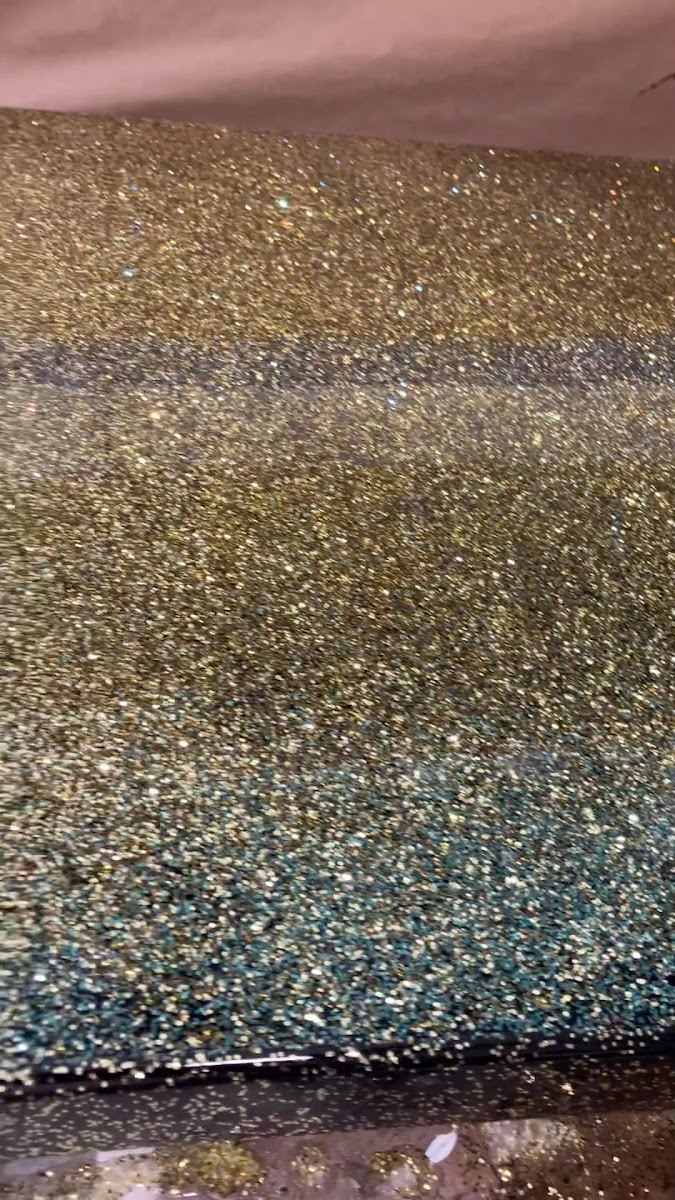
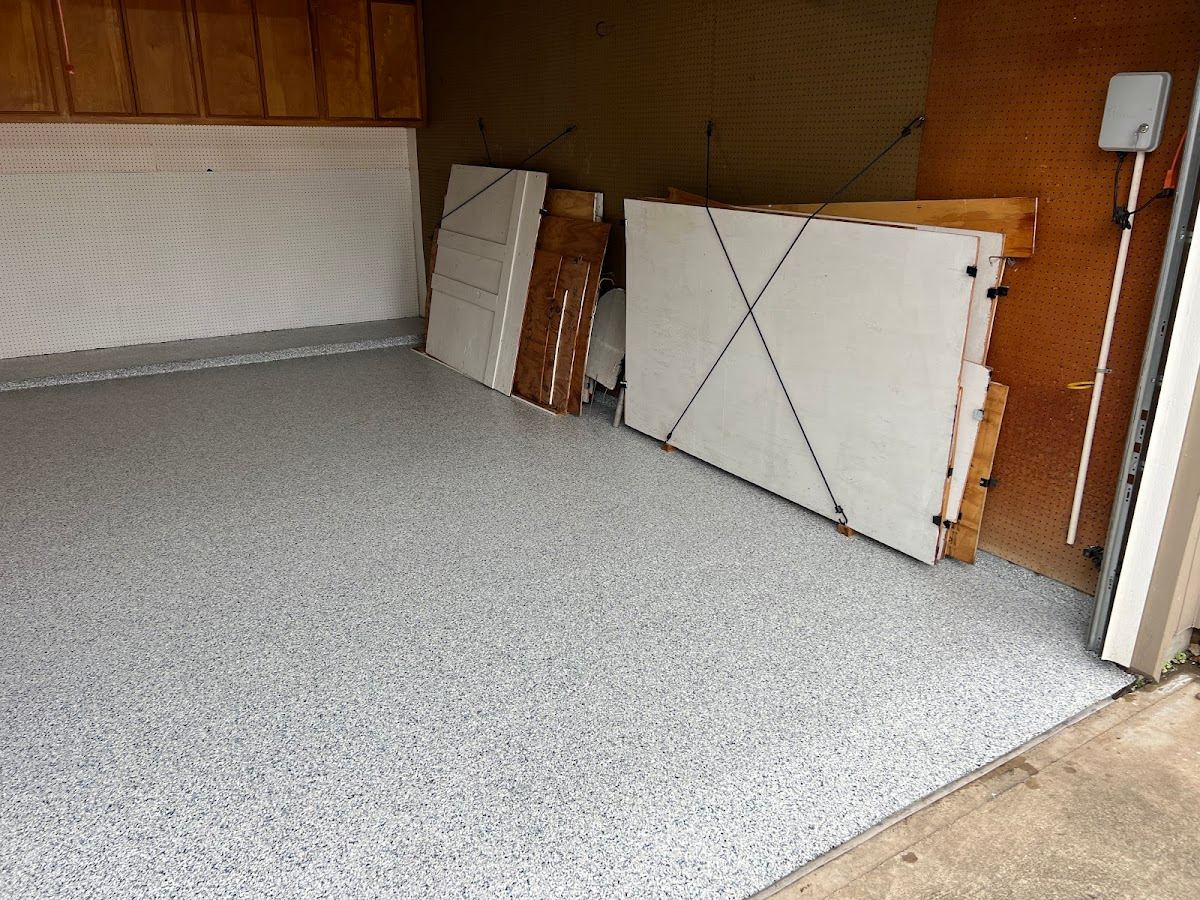
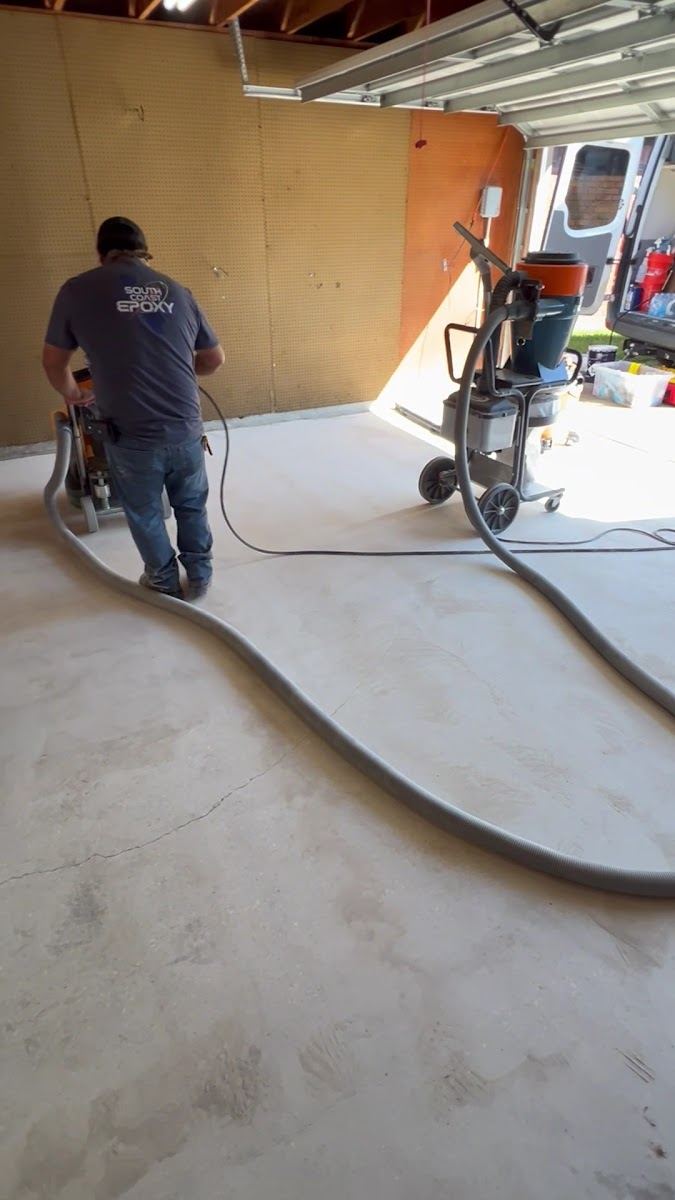
Our Process
Consult & exposure review
Interior versus exterior, traffic and sun.
Prep
Grind and clean, repair cracks, address moisture.
Color / stain
Apply decorative color or stain as selected.
Coat or seal
Epoxy, polyaspartic, or penetrating/film sealer.
UV-stable topcoat
Applied for sun-exposed areas.
Cure & care
Review reseal intervals and maintenance.
Related Services
Areas We Serve
Related Reading
Concrete Coatings FAQs
What's the difference between a coating, a stain and a sealer?
A coating builds a durable resin layer, a stain adds color into the concrete, and a sealer protects and enhances. We combine them based on your goals.
Can you coat an outdoor patio in Texas sun?
Yes. We use UV-stable systems and appropriate sealers so the finish will not yellow or degrade outdoors.
Will a coating crack if my slab moves?
No coating stops structural movement, but proper prep, crack repair and the right system minimize issues; we assess your slab first.
How often does sealed concrete need resealing?
It depends on traffic and exposure; we will give you an interval and can handle periodic resealing.
Can you coat a patio and garage to match?
Yes. We can coordinate colors and finishes across spaces.
Ready to Upgrade Your Floors?
Whether you need a garage epoxy floor, polished concrete, a commercial coating system, a restaurant floor, a warehouse floor, or a custom countertop finish, South Coast Epoxy will help you choose the right surface system for your space.
Prefer email? Reach us at info@southcoastepoxy.com